



The complete guide
How to choose vinyl record storage that protects your collection
Vinyl is having its longest revival yet, and the one piece of kit that gets overlooked is storage. Get it right and your records stay flat, your collection stays browsable, and your listening corner looks like something you planned. This guide covers what actually matters when you're choosing.
Why upright storage is non-negotiable
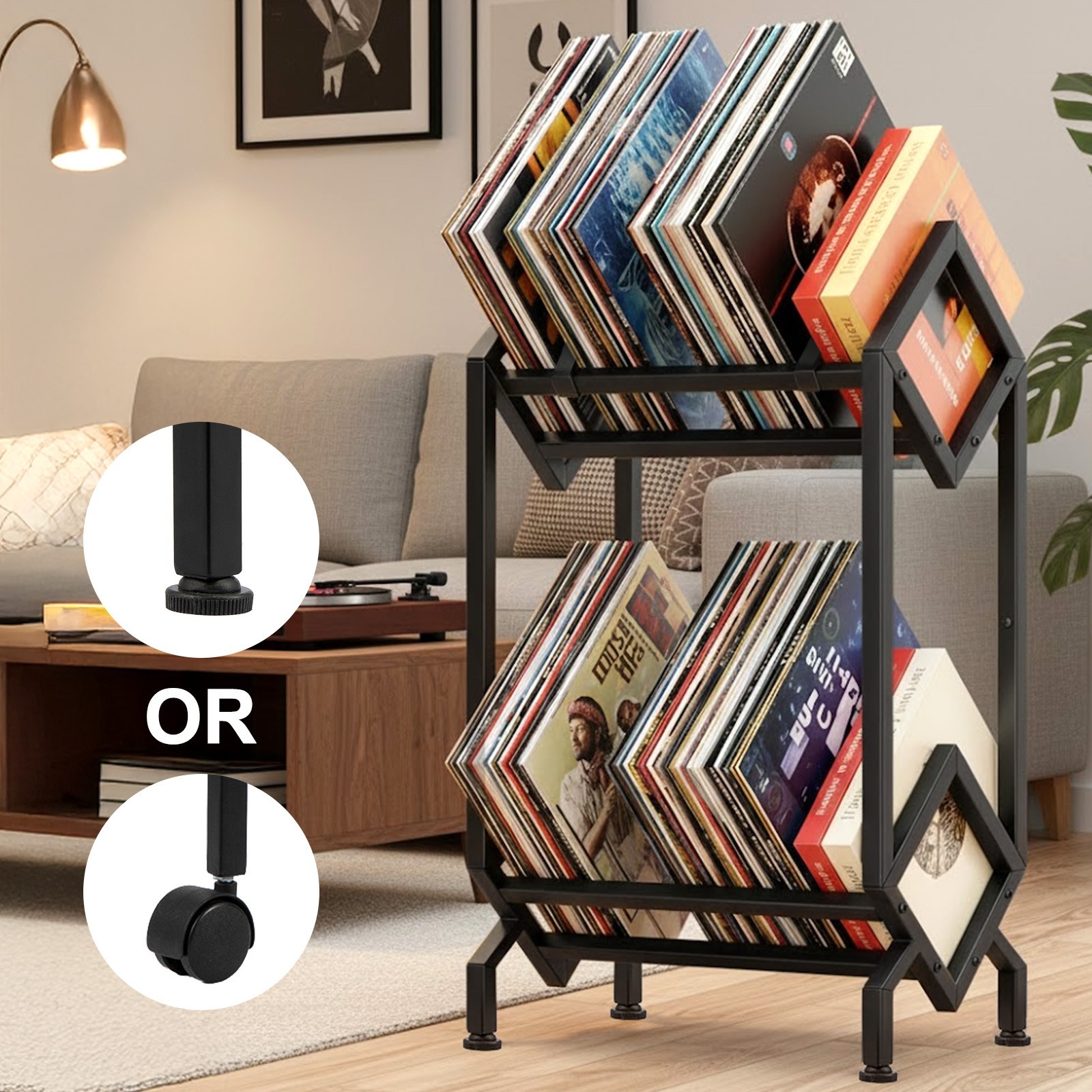
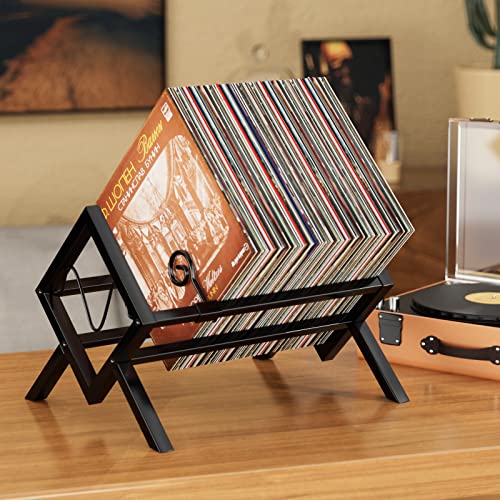
Records must be stored vertically. Stacked flat, the discs at the bottom carry the weight of everything above them, and over months that pressure warps vinyl and crushes sleeve corners. Standing upright and supported on both sides, each record bears only its own weight. Every holder, stand and cabinet we sell keeps records vertical — that's the baseline, not a feature.
Work out your real capacity
Count your collection, then plan for growth: most people buy more records than they expect to. A good rule is to choose a size up from what you own now. Remember that headline capacities assume thin single sleeves — a collection full of gatefolds, boxed sets and audiophile reissues is thicker, so the realistic number is a little below the figure on the box. Our range runs from 50 LPs to 200.
Holder, stand or cabinet?
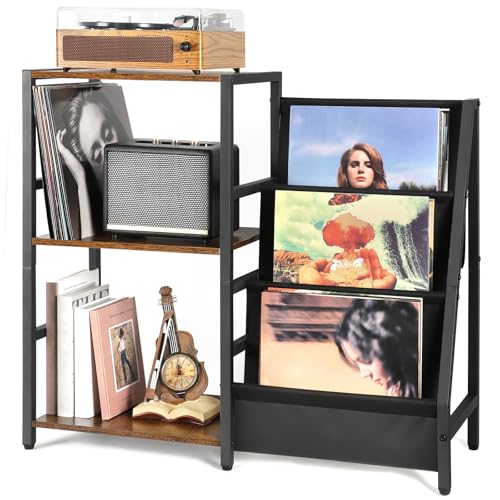
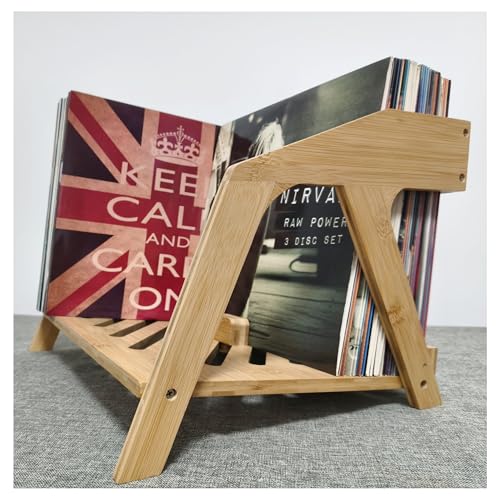
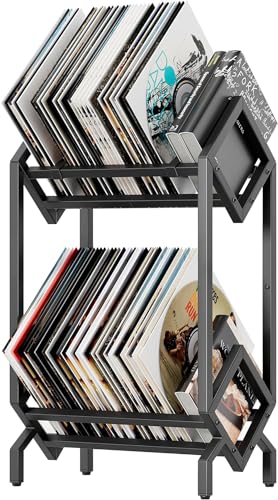
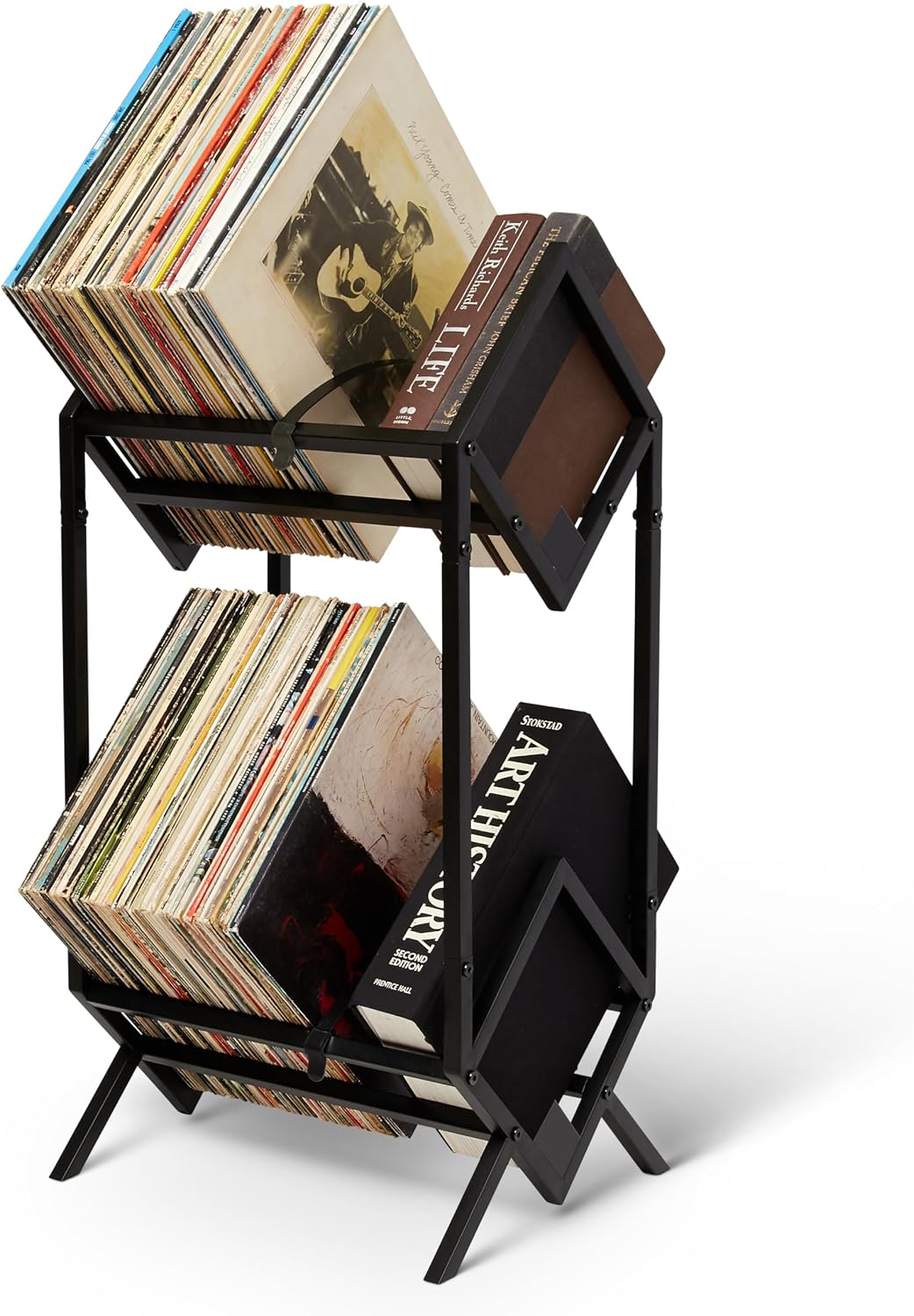
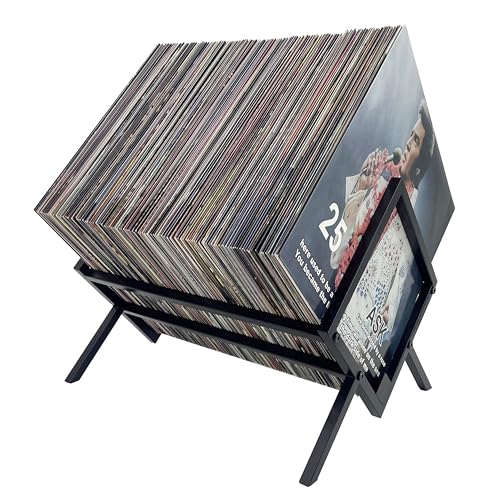
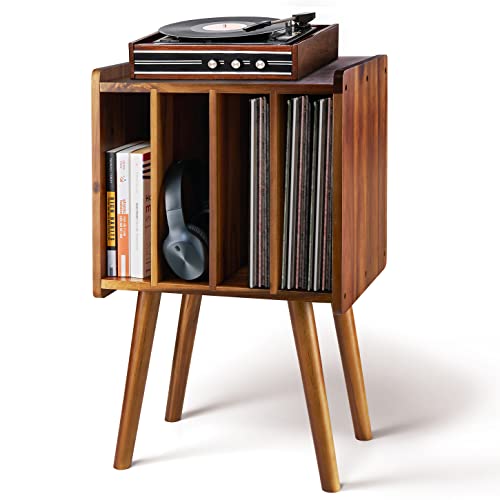
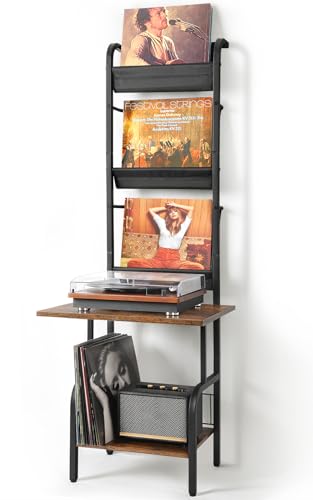
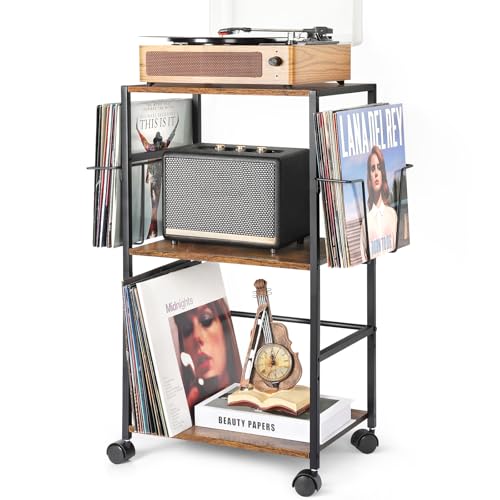
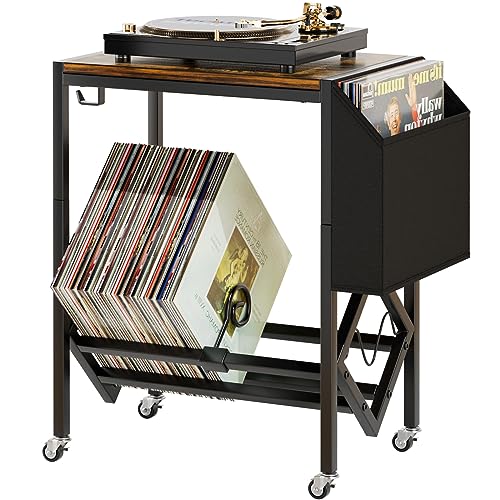
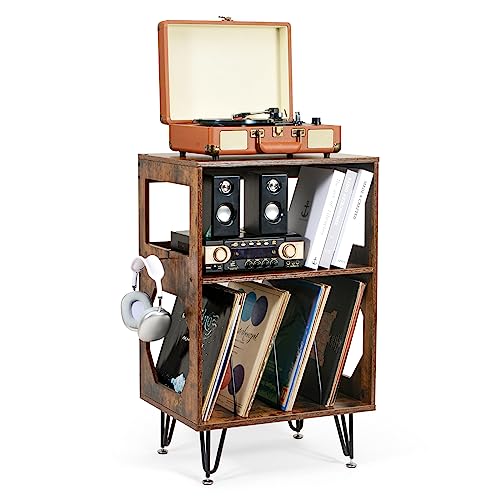
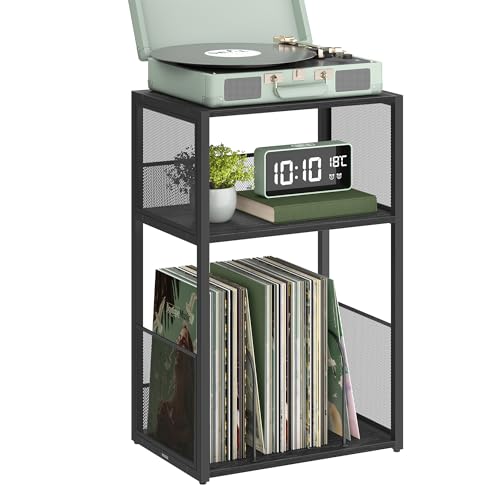
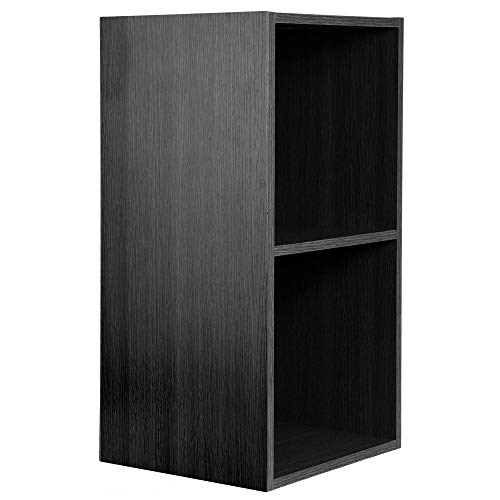
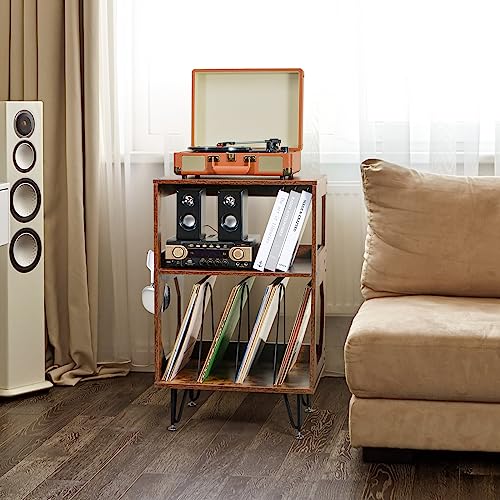
Open holders and racks keep records visible and easy to flick through, and they suit anyone who chooses music by browsing. Turntable stands put the deck and the records together in one station, which is the tidiest option for a working setup. Boxes and cabinets enclose the collection to keep dust off and the room calm. None is "best" — they match different homes and habits, which is why we group them so you can shop by the outcome you want.
Materials and where they suit
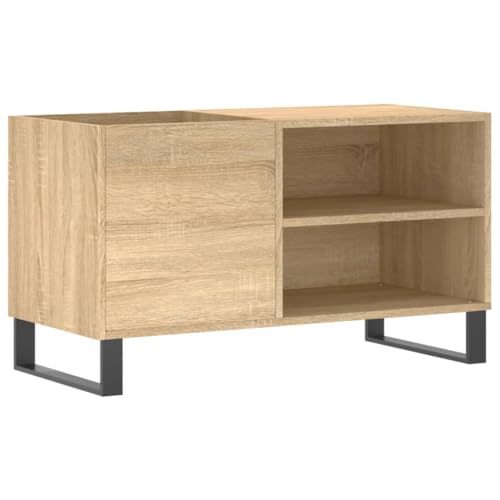
Metal racks are rigid, so they carry a heavy collection without bowing and keep a small footprint. Wood and engineered-wood pieces read as furniture and warm up a room. Bamboo splits the difference — light, sustainable and warm. If a piece has to hold a turntable or double as a table, look for wood-and-metal construction, which puts strength where the weight goes and looks where your eye lands.
Measure before you buy
The most common storage regret is size. Before ordering anything furniture-sized, measure the gap you want to fill and the route it has to travel to get there, and check it against the product's dimensions. Where we know exact measurements, they're on the product page. A defined footprint takes the guesswork out and saves a return.